In the fast-paced world of sports journalism, the ability to publish breaking news instantly is not just a luxury—it's a necessity. With fans expecting up-to-the-minute updates, sports editors must leverage modern content management systems (CMS) to keep pace with real-time developments. This article delves into how modern CMS tools empower editors, while also linking to essential SEO strategies like SEO Practices for Ranking Sports News.
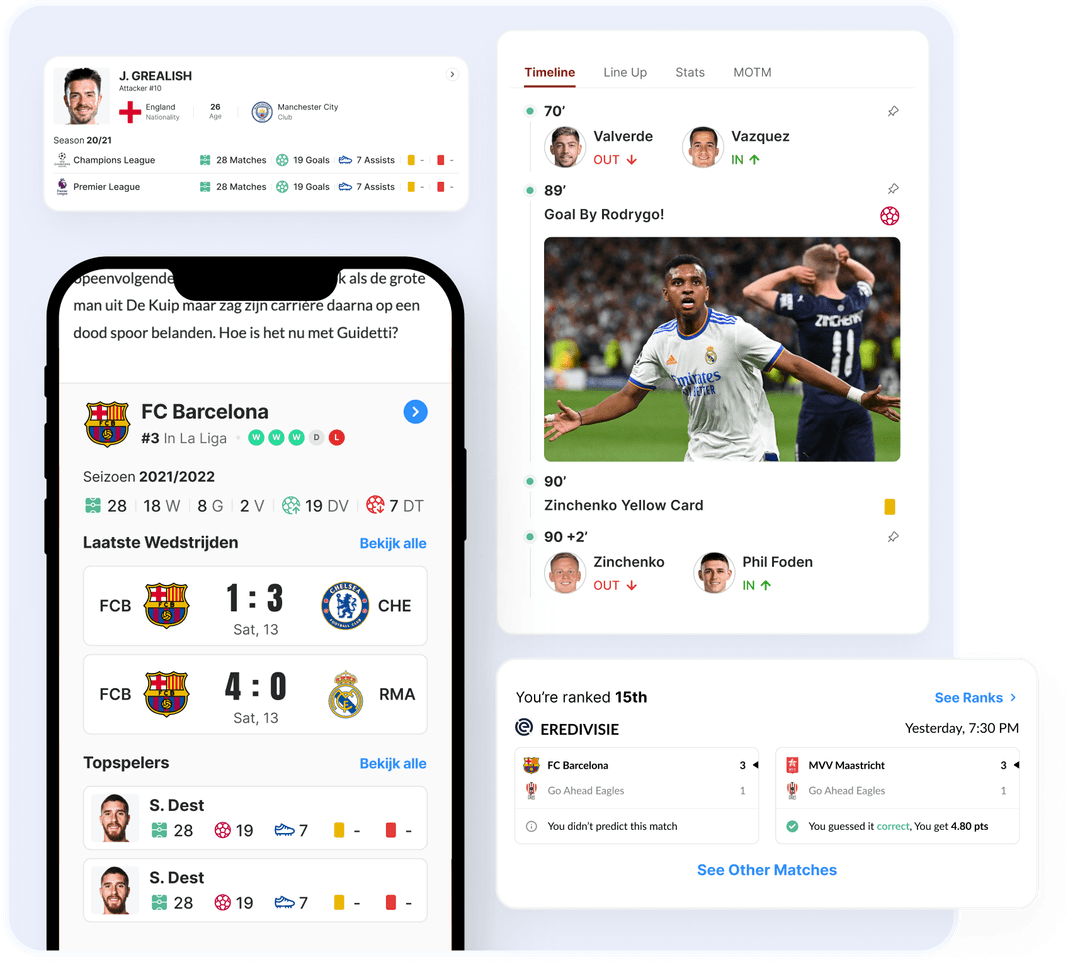
Traditional publishing platforms often suffer from delays in formatting, editing, and distribution. These limitations are detrimental in sports journalism, where speed equals relevance. A modern CMS eliminates these roadblocks with:
Such agility allows editors to break stories as they unfold, maintaining audience trust and competitive edge.
A modern CMS designed for sports journalism typically includes:
These features enhance the reader experience while enabling the editorial team to streamline content creation.
Headless CMS platforms like Strapi or Contentful separate content from design. Editors can publish once, and the content auto-adapts across platforms:
This ensures consistent delivery across devices while reducing development overhead.
Modern CMS platforms support plugins and API integrations with:
These integrations ensure that breaking stories are not just fast, but also SEO-optimized and analytics-ready.
During high-stakes sports events, multiple journalists may collaborate on a single story. A modern CMS provides:
These features prevent content duplication and editorial errors, especially when deadlines are tight.
Publishing is only half the job. Sharing the news via push notifications, RSS, and social media platforms ensures maximum reach. CMS platforms now allow:
Such distribution tactics help your breaking story reach audiences before competitors even hit publish.
Page load time directly impacts user retention. CMS tools must support performance enhancements such as:
These improvements are essential for optimizing stories in real time—especially under traffic pressure.
Take macsi-centre for instance. Their seamless publishing and traffic handling, discussed in How macsi-centre Handles High-Traffic Surges During Major Sports Events, serve as a model for how CMS platforms can be customized for peak performance.
The days of waiting hours to publish breaking sports stories are long gone. Editors now have the tools to report in real time, engage readers instantly, and ensure visibility across search engines and social platforms. Whether you're using a headless CMS or an optimized WordPress backend, your system should enable agility, scalability, and SEO-readiness.
For those looking to elevate their sports journalism game, leveraging tools used by leading platforms like SPORTS TOTO can provide a competitive advantage in content delivery and user engagement.
A Content Management System (CMS) allows editors to quickly publish and manage digital content, which is essential for covering real-time sports events.
Yes, many CMS platforms offer open-source or affordable pricing models tailored to small teams.
A CMS with integrated SEO tools helps ensure your content is optimized for search engines, improving visibility and ranking.
Headless CMS offers flexible content delivery across devices and platforms, ideal for real-time sports updates.
They offer tools, partnerships, and content distribution channels that expand reach and improve performance during breaking news situations.